
Antioksidan Revolusioner untuk Kesehatan Sendi Optimal
Pelajari bagaimana nutrisi alami dapat mendukung kesehatan dan mobilitas sendi Anda melalui penelitian terkini dan panduan komprehensif dari para ahli.
Komitmen Kami terhadap Kualitas dan Edukasi
Bahan-Bahan Alami
Fokus eksklusif pada nutrisi dan sumber alami untuk kesejahteraan optimal
Riset Terbaru
Informasi berdasarkan studi ilmiah dan temuan penelitian kesehatan modern
Komunitas Engaged
Berbagi pengalaman dan pengetahuan dengan pembaca yang peduli kesehatan
Transparansi Penuh
Informasi jelas tentang sumber, metodologi, dan batasan penelitian kami
Bagaimana Antioksidan Mendukung Kesehatan Sendi
Antioksidan berperan penting dalam menjaga keseimbangan seluler dan mengurangi dampak stres oksidatif. Nutrisi ini bekerja dengan cara melindungi sel-sel jaringan dari kerusakan akibat radikal bebas yang dapat terbentuk dari aktivitas metabolik normal.
Penelitian menunjukkan bahwa asupan antioksidan yang konsisten dapat mendukung mobilitas sendi, fleksibilitas, dan kenyamanan umum. Berbagai buah, sayuran, dan bahan alami lainnya mengandung senyawa bermanfaat seperti polifenol, flavonoid, dan vitamin yang bekerja sinergis dalam tubuh.
Memahami peran antioksidan membantu Anda membuat pilihan gaya hidup yang lebih baik untuk kesehatan sendi jangka panjang. Edukasi adalah langkah pertama menuju kesejahteraan yang berkelanjutan.
Manfaat Utama Antioksidan untuk Sendi
Dukungan Mobilitas
Antioksidan membantu menjaga struktur jaringan dan mendukung rentang gerak sendi untuk aktivitas harian yang lebih nyaman dan efisien.
Perlindungan Seluler
Melawan stres oksidatif yang dapat mempengaruhi kesehatan sel dan jaringan di seluruh tubuh melalui mekanisme perlindungan alami.
Nutrisi Lengkap
Sumber alami dari buah, sayuran, dan tanaman memberikan spektrum nutrisi yang bekerja bersama untuk mendukung kesejahteraan umum.
Energi dan Vitalitas
Nutrisi yang tepat membantu tubuh mempertahankan tingkat energi optimal untuk menjalani aktivitas fisik dan keseimbangan hidup sehat.
Proses Alami
Pendekatan berbasis alam yang selaras dengan sistem biologis tubuh untuk hasil yang berkelanjutan dan seimbang.
Kesehatan Jangka Panjang
Investasi dalam gaya hidup yang kaya antioksidan berkontribusi pada kesejahteraan berkelanjutan dan kualitas hidup yang lebih baik.
Eksplorasi Pengetahuan Kesehatan Sendi
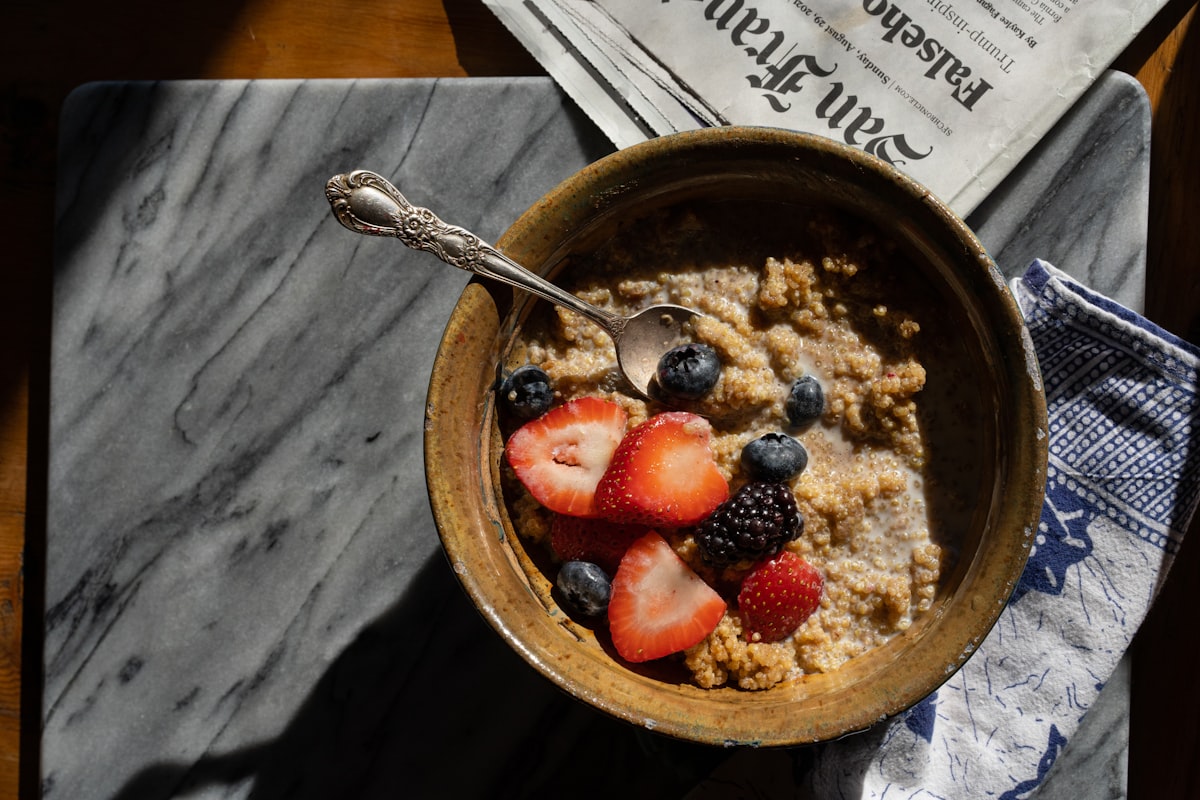
Panduan Nutrisi untuk Kesehatan Sendi Optimal
Pelajari bagaimana memilih makanan dan nutrisi yang tepat untuk mendukung kesehatan sendi sepanjang hidup. Artikel komprehensif tentang strategi nutrisi yang terbukti efektif.
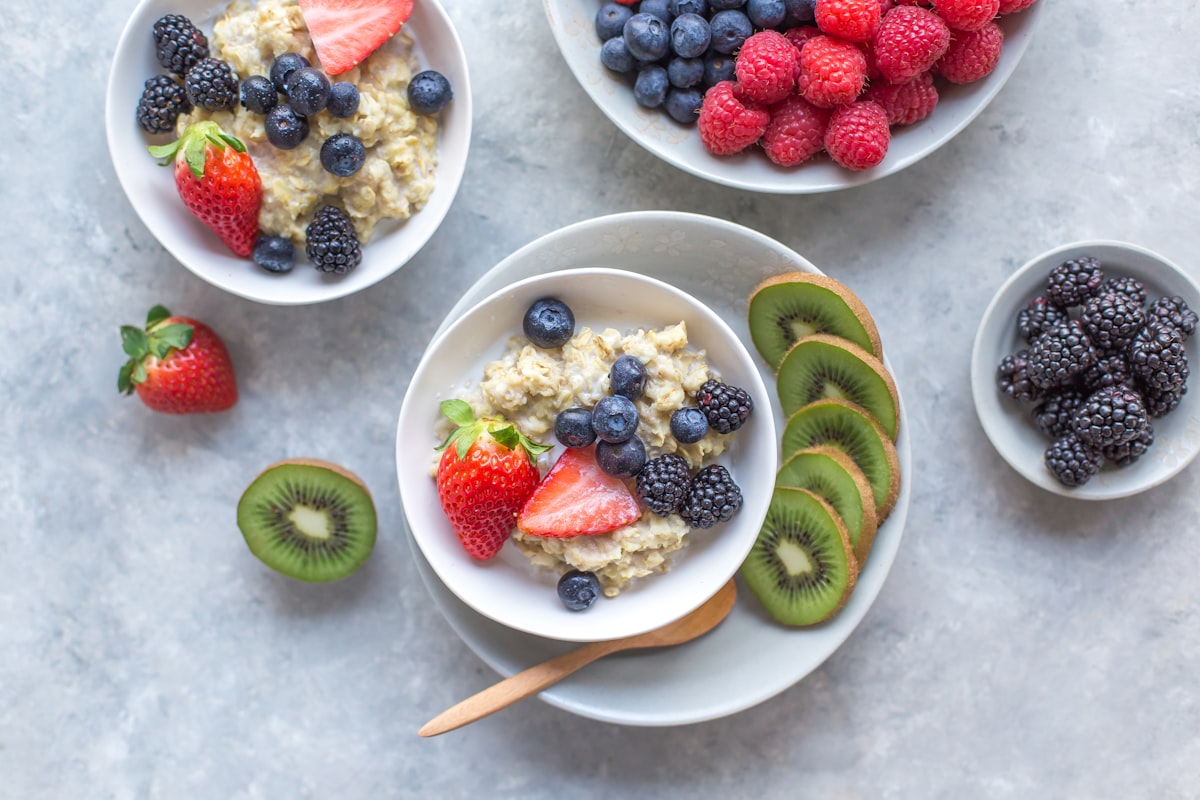
Sumber Antioksidan Alami Terbaik
Temukan buah-buahan, sayuran, dan herbal yang kaya akan antioksidan. Panduan lengkap tentang bahan-bahan alami berkualitas tinggi untuk mendukung kesehatan.

Gaya Hidup untuk Kesehatan Sendi Jangka Panjang
Memahami bagaimana aktivitas fisik, istirahat, dan keseimbangan nutrisi bekerja sama untuk mendukung kesehatan sendi yang optimal di semua usia.
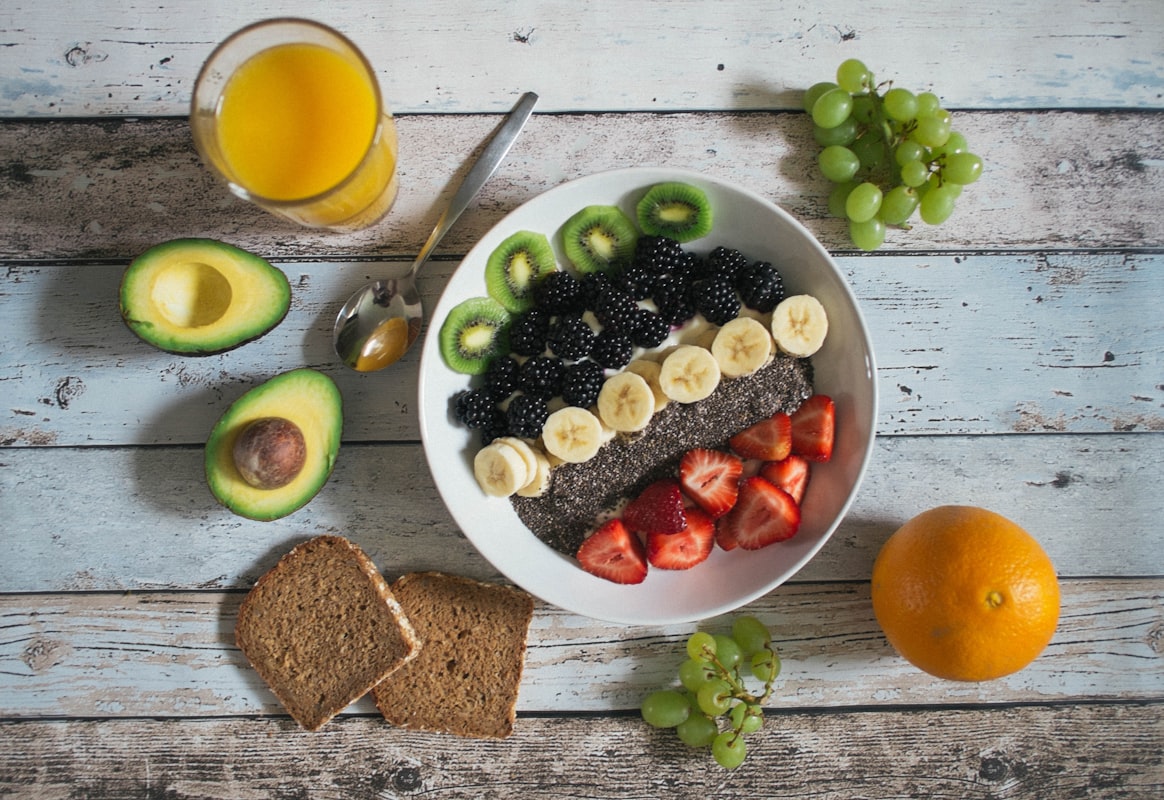
Penelitian Ilmiah Antioksidan dan Kesehatan
Jelajahi studi terkini dan temuan penelitian tentang bagaimana antioksidan bekerja pada tingkat seluler. Informasi berbasis bukti dari para ahli kesehatan.
Pertanyaan Umum tentang Antioksidan dan Kesehatan Sendi
Antioksidan adalah senyawa yang membantu melindungi sel tubuh dari kerusakan yang disebabkan oleh radikal bebas. Radikal bebas terbentuk secara alami selama proses metabolik dan dari faktor lingkungan seperti polusi. Antioksidan bekerja dengan cara menetralkan radikal bebas ini, sehingga mencegah kerusakan sel dan mendukung fungsi optimal berbagai jaringan, termasuk sendi dan tulang rawan.
Banyak makanan alami mengandung antioksidan tinggi, seperti buah beri (blueberry, strawberry, blackberry), sayuran hijau (bayam, brokoli, kale), tomat, jeruk, kacang-kacangan, biji-bijian, dark chocolate, dan teh hijau. Herbal seperti kurkuma, jahe, dan oregano juga merupakan sumber antioksidan yang sangat baik. Mengonsumsi berbagai warna sayuran dan buah memastikan Anda mendapatkan spektrum antioksidan yang lengkap.
Tidak ada rekomendasi RDA (Recommended Dietary Allowance) spesifik untuk antioksidan secara keseluruhan, tetapi nutrisi individu seperti vitamin C, vitamin E, dan selenium memiliki pedoman tersendiri. Umumnya, ahli nutrisi merekomendasikan mengonsumsi minimal lima porsi buah dan sayuran setiap hari untuk asupan antioksidan yang cukup. Pendekatan terbaik adalah memprioritaskan keragaman makanan utuh daripada menghitung jumlah spesifik.
Antioksidan mendukung kesehatan sendi secara umum dengan melindungi sel dan mengurangi stres oksidatif. Namun, kesehatan sendi dipengaruhi oleh banyak faktor termasuk genetika, aktivitas fisik, beban kerja mekanis, dan nutrisi keseluruhan. Antioksidan bekerja lebih baik sebagai bagian dari pendekatan komprehensif yang mencakup gaya hidup sehat, aktivitas fisik, dan nutrisi seimbang. Untuk kondisi spesifik, konsultasi dengan profesional kesehatan sangat disarankan.
Secara umum, sumber makanan utuh dianggap lebih bermanfaat daripada suplemen terpisah. Makanan alami mengandung antioksidan dalam konteks nutrisi lengkap dengan serat, mineral, dan fitonutrien lainnya yang bekerja sinergis. Suplemen dapat bermanfaat dalam situasi tertentu, tetapi penelitian menunjukkan hasil terbaik diperoleh dari pola makan sehat yang kaya antioksidan alami. Selalu konsultasikan dengan profesional sebelum menambahkan suplemen ke rutinitas Anda.
Perubahan dari peningkatan nutrisi biasanya bersifat gradual. Beberapa orang dapat merasakan peningkatan energi dan kesejahteraan umum dalam beberapa minggu, sementara manfaat lebih spesifik pada kesehatan sendi mungkin memerlukan waktu lebih lama, biasanya beberapa bulan konsistensi. Kesehatan optimal adalah hasil dari komitmen jangka panjang terhadap gaya hidup sehat. Kesabaran dan konsistensi adalah kunci untuk melihat hasil yang berkelanjutan.
Cerita Sukses dari Komunitas Kami
Pembaca kami berbagi pengalaman mereka dalam menjalani perjalanan kesehatan sendi dengan pendekatan nutrisi yang terencana.
"Saya sangat terkesan dengan kualitas artikel dan penelitian yang disajikan di situs ini. Informasi tentang antioksidan sangat jelas dan mudah dipahami. Sejak menerapkan rekomendasi nutrisi yang dijelaskan, saya merasa lebih mobile dan energik. Terima kasih atas edukasi yang luar biasa!"
Ibu Siti Hartinah
Surabaya, Jawa Timur
"Saya mencari informasi terpercaya tentang kesehatan sendi selama bertahun-tahun. Platform ini memberikan penjelasan mendalam tentang peran antioksidan yang sangat saya butuhkan. Panduan nutrisinya praktis dan dapat langsung saya terapkan dalam kehidupan sehari-hari. Sangat merekomendasikan untuk siapa pun yang serius tentang kesehatan."
Bapak Adi Winarno
Jakarta, DKI Jakarta
"Sebagai seseorang yang aktif secara fisik, artikel tentang nutrisi untuk kesehatan sendi sangat berharga bagi saya. Penjelasan ilmiah yang disajikan mudah diikuti namun tetap mendalam. Saya sudah mengubah pola makan saya berdasarkan rekomendasi, dan perbedaannya nyata. Terima kasih telah menyediakan sumber informasi yang berbobot dan terpercaya."
Ibu Dewi Kusuma
Bandung, Jawa Barat
"Website ini adalah permata tersembunyi untuk edukasi kesehatan sendi. Informasi transparan tentang sumber penelitian dan batasan studi membuat saya percaya pada konten yang disampaikan. FAQ section sangat membantu menjawab pertanyaan yang sering terlintas di benak saya. Saya merekomendasikan kepada semua teman dan keluarga saya."
Bapak Rudi Hermawan
Medan, Sumatera Utara
Mengapa Memilih Naturalnutrientjointsplus
Informasi Berbasis Penelitian
Setiap artikel didukung oleh referensi ilmiah terkini dan studi yang dapat diverifikasi dari institusi terpercaya.
Tim Editorial Berpengalaman
Konten dikurasi oleh para ahli nutrisi dan penulis kesehatan yang memiliki latar belakang akademis kuat.
Transparansi Penuh
Kami jelas tentang batasan penelitian, metodologi, dan sumber informasi untuk memastikan kepercayaan pembaca.
Konten Praktis dan Aplikatif
Teori ilmiah dikombinasikan dengan saran praktis yang dapat langsung diterapkan dalam kehidupan sehari-hari.
Fokus pada Bahan-Bahan Alami
Kami mengkhususkan diri dalam edukasi tentang nutrisi alami dan sumber makanan utuh untuk kesehatan optimal.
Update Konten Berkelanjutan
Kami terus memperbarui konten dengan informasi terbaru tentang nutrisi sendi dan kesehatan tulang rawan untuk memastikan Anda selalu mendapat data akurat.
Apa Kata Pelanggan Kami
Ribuan pelanggan telah merasakan manfaat luar biasa dari Natural Nutrient Joints Plus
"Saya sangat terkesan dengan hasil yang saya dapatkan. Nyeri sendi saya berkurang drastis dalam 3 minggu. Produk ini benar-benar mengubah hidup saya!"
Budi Santoso
Jakarta, Indonesia
"Sebagai atlet, mobilitas sendi sangat penting bagi saya. Natural Nutrient Joints Plus membantu saya tetap aktif dan produktif tanpa rasa sakit."
Sri Wijaya
Surabaya, Indonesia
"Bahan-bahan alami yang digunakan sangat berkualitas. Saya merasa lebih fleksibel dan energik setiap hari. Rekomendasi terbaik untuk keluarga saya!"
Retno Kumala
Bandung, Indonesia
Mulai Perjalanan Kesehatan Sendi Anda Hari Ini
Dapatkan diskon khusus 20% untuk pembelian pertama Anda